
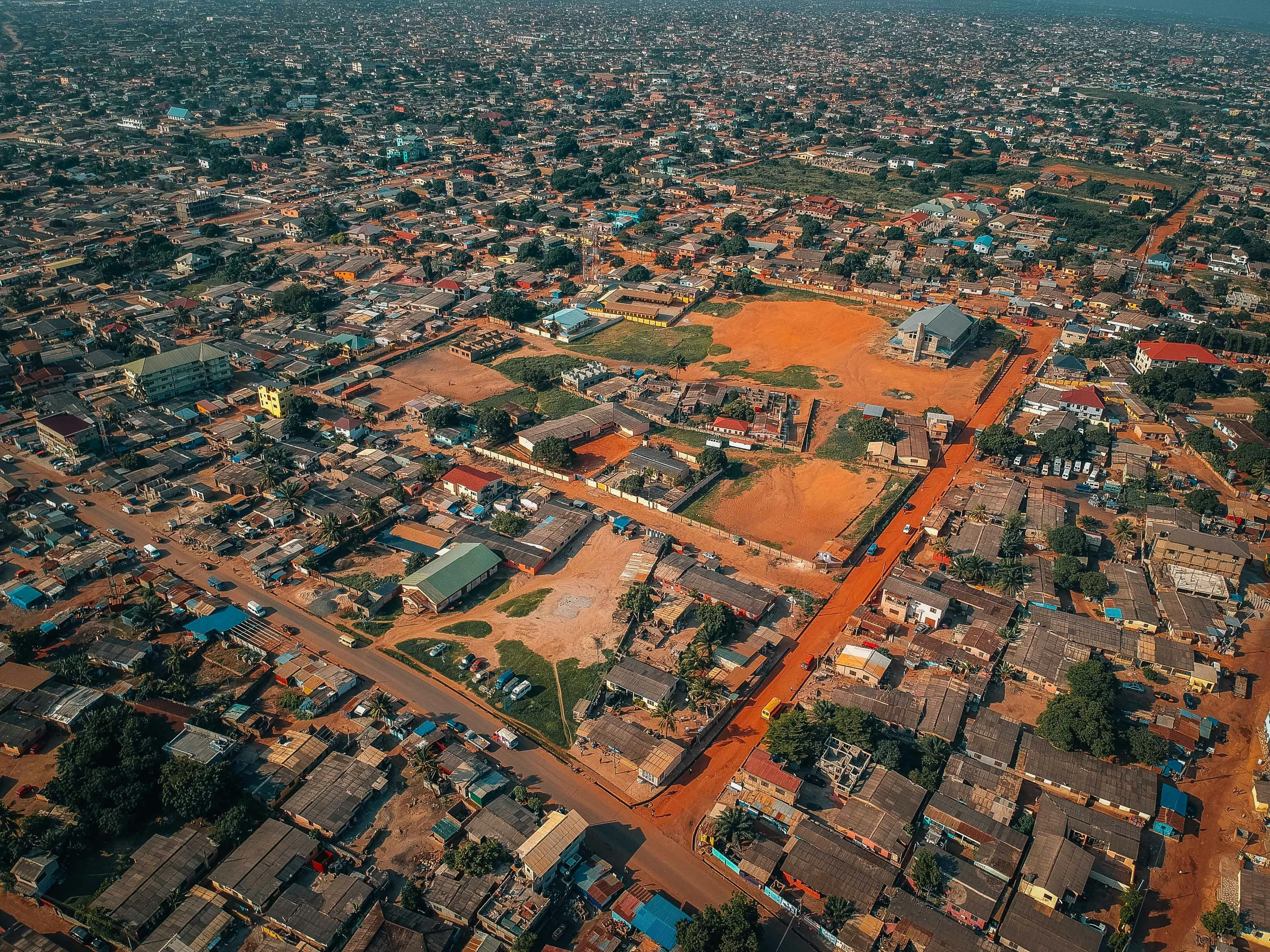
“Mapping Communities. Driving Development. Empowering People.”
GIFON's Community Mapping for Development initiative leverages geospatial intelligence to empower communities and drive local development. By mapping resources, infrastructure, and social assets, the program provides actionable insights that inform planning, improve service delivery, and foster sustainable growth. Through collaboration with local stakeholders, residents, and institutions, community mapping strengthens participation, transparency, and resilience, ensuring that development projects are targeted, effective, and inclusive for every Nigerian community.
Program Objectives
Empower Communities
Enable local stakeholders to use mapping and geospatial data for self-driven development.
Bridge Data Gaps
Collect and integrate hyperlocal data that supports evidence-based decision-making.
Support Local Governance
Strengthen local governments with tools for planning, monitoring, and service delivery.
Promote Inclusion
Ensure marginalized groups (women, youth, rural dwellers) are part of the data ecosystem.
National Development
Align community-level mapping with Nigeria’s national priorities and SDGs.
Program Structure
From awareness to action: our 5-step engagement model.
Engagement & Awareness
- Sensitization workshops with traditional leaders & groups.
- Awareness campaigns on geospatial data importance.
Mapping Training
- Training on basic Geospatial Intelligence tools (OpenStreetMap, QGIS).
- Data collection using mobile apps and drones.
- Ethics of community data ownership.
Data Collection
- Mapping schools, clinics, water points, and resources.
- Identifying disaster-prone areas.
Integration into GIFON's National Hub.
Data to Action
- Influence local government planning.
- Enable targeted NGO interventions.
- dashboards for community monitoring.
Sustainability
- Establish community geospatial clubs.
Link youth to GIFON career pathways.
- Scale successful models regionally.